
1 / 4
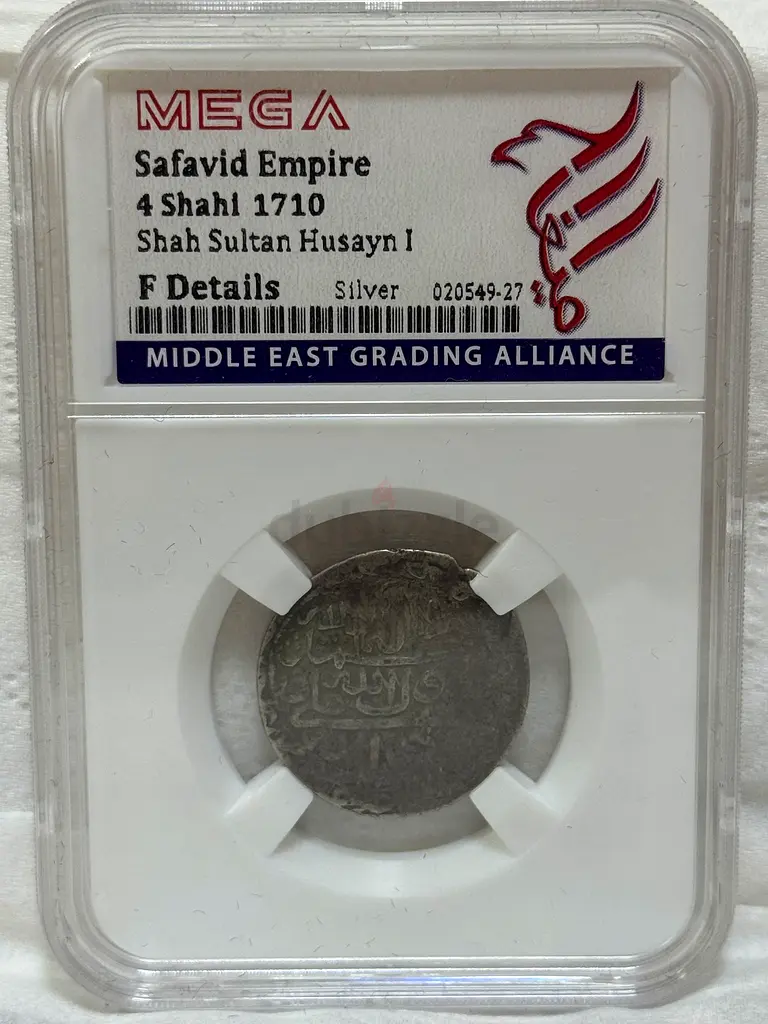
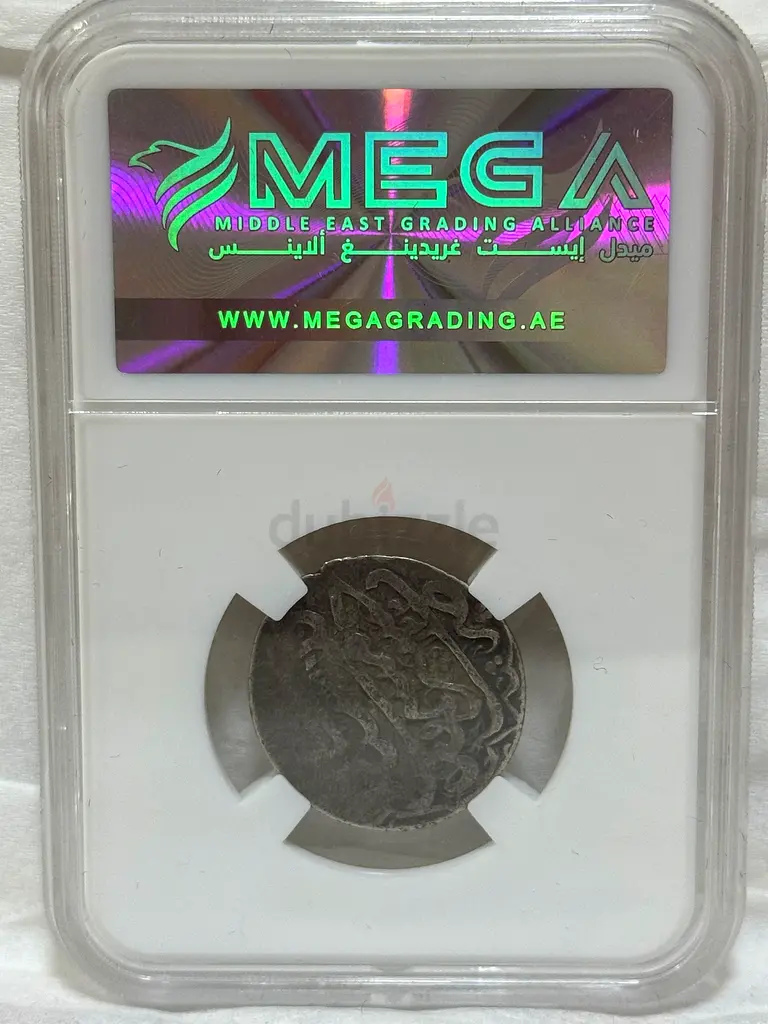
Safavid Empire 4 Shahi coin 1710 140 AED
AED 140
Item Details
Age
Brand New
Condition
Almost no noticeable problems or flaws
Usage
Still in original packaging
Posted on: 26th February 2026
Description
Denomination: 4 Shahi
• Year: 1710 (AH date usually shown in Islamic calendar)
• Metal: Silver
• Region: Persia (modern Iran)
• Mint: Often Isfahan or other Safavid mints (exact mint depends on visible inscription)
⸻
🔎 Design Features
Safavid coins are inscription-based (no portraits).
Typical elements:
• Name and titles of the Shah
• $%&’a Islamic religious phrases
• Mint name
• Islamic year (Hijri date)
Calligraphy style is usually elegant but can appear worn due to weak strikes.
⸻
📊 Grade (From Slab)
• F Details (Fine Details)
• Heavy circulation wear
• Some surface issues
• Major inscriptions still partially visible
“Details” means it has problems (cleaning, corrosion, or damage) preventing a straight numeric grade.
⸻
🏛 Historical Context
• Late Safavid period
• Shah Sultan Husayn was the last effective Safavid ruler
• Within 12 years (1722), the Safavid Empire collapsed after Afghan invasion
Coins from this late period are historically significant because they represent the final years of Safavid rule.
⸻
💰 Approximate Market Value
Because of:
• Fine Details grade
• Surface issues
• Common late-date issue
Estimated value:
• $40 – $90 USD
Higher if mint name is rare or inscriptions are clearer.
⸻
📚 Collectibility
Popular among:
• Islamic coin collectors
• Persian history collectors
• Early modern Middle Eastern coin specialists
• Year: 1710 (AH date usually shown in Islamic calendar)
• Metal: Silver
• Region: Persia (modern Iran)
• Mint: Often Isfahan or other Safavid mints (exact mint depends on visible inscription)
⸻
🔎 Design Features
Safavid coins are inscription-based (no portraits).
Typical elements:
• Name and titles of the Shah
• $%&’a Islamic religious phrases
• Mint name
• Islamic year (Hijri date)
Calligraphy style is usually elegant but can appear worn due to weak strikes.
⸻
📊 Grade (From Slab)
• F Details (Fine Details)
• Heavy circulation wear
• Some surface issues
• Major inscriptions still partially visible
“Details” means it has problems (cleaning, corrosion, or damage) preventing a straight numeric grade.
⸻
🏛 Historical Context
• Late Safavid period
• Shah Sultan Husayn was the last effective Safavid ruler
• Within 12 years (1722), the Safavid Empire collapsed after Afghan invasion
Coins from this late period are historically significant because they represent the final years of Safavid rule.
⸻
💰 Approximate Market Value
Because of:
• Fine Details grade
• Surface issues
• Common late-date issue
Estimated value:
• $40 – $90 USD
Higher if mint name is rare or inscriptions are clearer.
⸻
📚 Collectibility
Popular among:
• Islamic coin collectors
• Persian history collectors
• Early modern Middle Eastern coin specialists
Location
Zone 7, Hydra Village, Abu Dhabi, UAE

- Accounting / Finance
- Automobile
- Beauty / Salon
- Cleaner / Housekeeper
- Construction
- Cook / Chef
- Customer Service / Call Centre
- Data Management & Analysis
- Design
- Driver / Delivery
- Education
- Engineering
- Event Management & Operations
- Handyman / Technician
- HR / Admin
- Information Technology
- Legal Services
- Logistics & Distribution
- Manufacturing / Warehouse
- Marine Captain / Crew
- Marketing / Advertising
- Media, Art & Entertainment
- Medical / Healthcare
- Real Estate
- Restaurant Operations
- Sales / Business Development
- Secretarial / Front Office
- Security / Guard
- Sports & Fitness
- Travel & Hospitality
- Others
- Jobs Wanted
- Electronics
- Computers & Networking
- Business & Industrial
- Home Appliances
- Sports Equipment
- Clothing & Accessories
- Cameras & Imaging
- Jewelry & Watches
- Pets
- Musical Instruments
- Gaming
- Baby Items
- Toys
- Tickets & Vouchers
- Collectibles
- Books
- Music
- Free Stuff
- Lost/Found
- DVDs & Movies
- Furniture, Home & Garden
- Mobile Phones & Tablets
العربية